
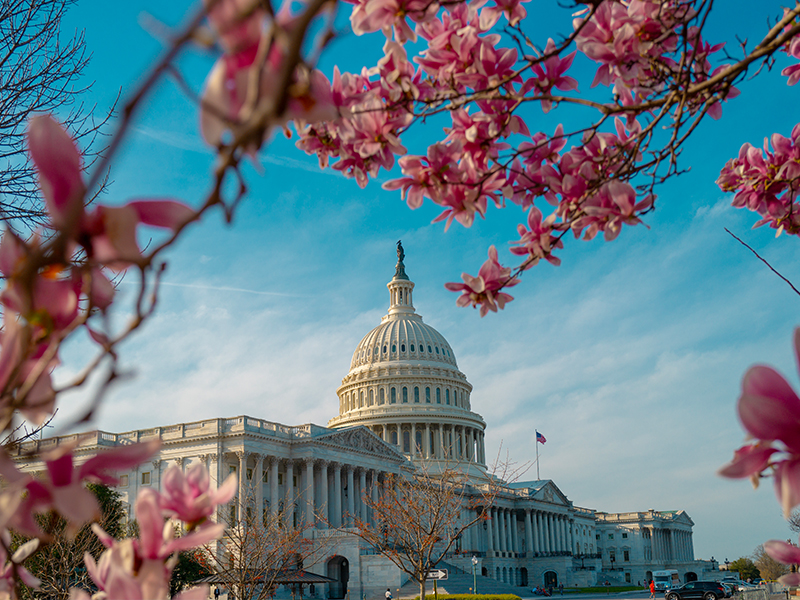
For many Washington, DC nonprofits, your website is far more than an online presence — it’s your most important tool for engagement, storytelling, fundraising, and action. In a digital-first world, the organizations that thrive aren’t just those with great missions — they’re the ones whose digital experiences match the quality of their work.
If your website still feels “fine” or “good enough,” this year is the moment to rethink that mindset. A modern, fast, and accessible website helps nonprofits of all sizes do better work online and in the world. Let’s unpack why these elements matter — and why they’re essential in 2026.
1. Your Website Is Often the First Encounter With Your Mission
Picture a potential supporter, partner, or volunteer trying to learn about your work. Chances are, their very first impression is formed on your homepage. If your site feels outdated, slow, or confusing, that first encounter can unintentionally create barriers — even if your mission is powerful.
Modern design isn’t about trends — it’s about clarity. A thoughtfully designed site helps your message come through instantly. It allows your purpose to shine without distraction and tells visitors, “We’re active, we’re professional, and we’re worth your time.”
2. Speed Is Not Just a Technical Metric — It’s Respect for Your Audience
In a world where people expect information instantly, load times matter. When pages lag, visitors bounce. And every bounce could mean a missed donation, volunteer signup, or newsletter opt-in.
Fast websites:
- Improve search rankings
- Increase engagement
- Reduce frustration
These outcomes directly impact your mission. Whether someone arrives from social media or a search engine, a snappy, responsive site helps you keep their attention long enough to inspire them.
3. Accessibility Equals Inclusion — Not Just Compliance
For nonprofits, inclusivity isn’t optional — it’s core to your values.
Accessibility isn’t simply a technical checklist; it ensures that people of all abilities can understand, navigate, and interact with your content. When your website incorporates features like readable text structure, keyboard navigation, clear labeling, and color contrast, you’re not just following guidelines — you’re elevating your mission to reach everyone in your community.
An accessible site:
- Honors dignity and equity
- Broadens your reach
- Reflects your values in action
In a city like DC, where diversity and inclusion are central to civic life, accessibility isn’t a “nice to have” — it’s an essential part of how you show up online.
4. Mobile Experiences Need to Match User Behavior
Phones, tablets, and a variety of screens are now the default way many people explore websites. A responsive design ensures your site adapts seamlessly to any device.
If someone has to pinch, zoom, or hunt for navigation, they’re likely to leave — even if they came wanting to help. A mobile-optimized experience respects your visitor’s context and increases the chances they’ll engage deeply with your content and calls to action.
5. Storytelling Should Be Seamless, Clear, and Compelling
Nonprofits win when they connect emotionally.
Your website is the place where your stories — of impact, community, volunteers, and change — come alive. The right structure and design make it easier for readers to understand:
- Who you are
- What you do
- Why it matters
- How they can be part of it
From mission statements to impact reports to donation pages, the right content, layout, and flow guide people toward understanding and taking action.
6. Search Visibility Helps You Be Found by More Supporters
SEO isn’t a buzzword — it’s a practical strategy that helps the people who care about your cause actually find you online.
A modern website built with clear content, good structure, and fast performance is more likely to appear in search results when prospective supporters are looking for causes, resources, or local impact work.
More visibility means more awareness, more engagement, and more opportunities for support.
7. Security Builds Trust for Supporters and Donors
Security measures such as HTTPS, updated platforms, and secure donation forms protect both your organization and your supporters.
When people trust that their information is safe, they’re more likely to donate, sign up, or engage further. A secure, modern website is more than technology — it’s part of how you build confidence in your work.
8. A Modern, Fast, Accessible Website Is a Mission Multiplier
When your website performs well — aesthetically, technically, and ethically — every part of your digital strategy benefits:
- More donors
- More volunteers
- More partners
- More impact
It’s not technology for technology’s sake — it’s strategy aligned with your mission and values.
Final Thoughts
If your website feels like an afterthought, it’s time to rethink that approach.
In 2026, your digital presence is part of your mission delivery. A modern, fast, and accessible website honors your audience, reflects your values, and empowers your organization to grow. When your digital front door welcomes everyone easily and quickly — that’s when impact begins.
Ready to rethink your nonprofit website with intention and strategy? Let’s explore what’s possible together! Contact Top Shelf Design today